Vibration can be a helpful tool when used the right way, but constant, strong breast pump vibration across an entire session isn’t automatically better and for some people it may even be uncomfortable or counterproductive.
Below we’ll walk through what the research and lactation experts say, what to watch for, and practical tips for using devices like Mother’s Nature™ W1 and our Warming & Cooling Lactation Massager, so you get the benefits without the buzz.
The Basics: How Touch, Warmth & Gentle Stimulation Help Milk Flow
Let-down (the milk-ejection reflex) is triggered primarily by oxytocin. Nerve signals from the nipple and gentle sensory stimulation (touch, warmth, massage) tell the brain to release oxytocin, which helps milk move from the milk-making sacs into the ducts.
Mechanical stimulation, including light vibration, has also been studied to support milk expression and comfort: some research on targeted vibratory stimulation found it can assist milk transfer in certain postpartum situations. That said, how vibration is applied (timing, intensity, and placement) is key.
Why “All-Session Vibration” Can Be a Problem
Some brands advertise continuous or frequent vibration throughout pumping sessions. For example, several lactation massagers and pump combos lean hard into ongoing vibration as a selling point.
But continuous or deep vibration in breast pumps isn’t always ideal since excessive or deep massage could potentially increase blood flow and inflammation - potentially making engorgement or mastitis worse rather than better.
In other words, vibration timed to mimic baby-like cluster feeding or to gently prep the breast before suction tends to feel more natural than full-session, high-intensity buzzing.
How We Think About Vibration at Zomee (and Why Mother’s Nature W1 Was Designed That Way)
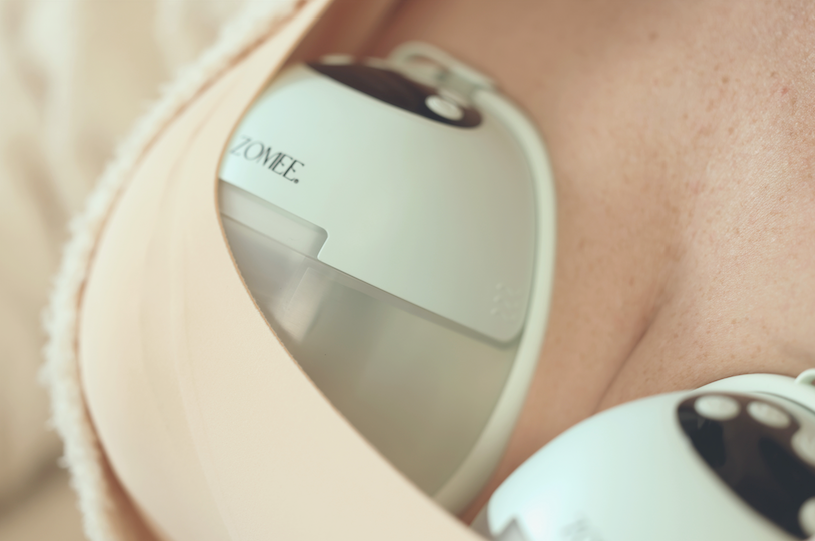
The Mother’s Nature W1 Warming Wearable Breast Pump is built with pumping rhythms and modes that work with your body instead of an always-on vibration that can feel harsh or distracting. These rhythms are designed to mirror cluster feeding and to provide gentle stimulation in the phases when the body is most receptive.
Likewise, our Warming & Cooling Lactation Massager is intended to be a targeted tool: warming before a session (to relax tissue and encourage let-down), gentle vibration for focused massage on a clogged area, and cooling afterward if you need to reduce inflammation. With multiple levels of vibration, moms can choose what feels best for their body in the moment rather than being locked into one pre-set intensity. The idea is targeted support instead of blasting your breasts with constant vibration.
Practical, Mom-Tested Tips for Using Vibration Well
-
Warm first, then stimulate. Apply warmth for a couple minutes (a warm compress or the heat setting on our Warming + Cooling Lactation Massager both work well) to relax tissue and encourage flow, then use short, gentle vibration strokes toward the nipple to help move milk.
-
Use vibration in targeted bursts, not all session long. Try 30 - 90 seconds of gentle vibration in a few spots to encourage let-down, then switch to suction-only once milk starts flowing. This mimics how a baby alternates stimulation and suckling.
-
If something hurts, stop. Sharp pain, increasing redness, or a worsening lump after massage/vibration are signs to pause and check with your provider. Persistent pain can indicate an irritated duct or early mastitis; excessive massage can aggravate those.
-
Use cooling after pumping if you’re swollen or sore. Short cold therapy can reduce inflammation; alternating warm/cold has shown benefits for engorgement. Our massager combines both so you can respond to what your body needs, not a one-size-fits-all routine.
- Pay attention to rhythm and comfort. Lighter, baby-like rhythms tend to trigger oxytocin more naturally; if a setting feels uncomfortable in any way to you, it’s not helping.
When A Lactation Massager or Vibration Makes Sense
- Stalled let-down that responds to skin stimulation.
- Localized clogged ducts since gentle targeted vibration can help move the blockage when used carefully.
- Engorgement where a mix of heat + short massage improves comfort before pumping.
Quick How-To: A 3-Minute Prep Routine Before Pumping
- Apply gentle warmth for 60 - 90 seconds.
- Use 30- 60 seconds of gentle, circular vibration moving from the outer breast toward the nipple (focus on any lump if present).
- Put on your pump and begin in the stimulation mode, switch to expression mode when milk flows.
- If you’re swollen after pumping, apply cooling for a few minutes.
Final Mom-To-Mom Note
Vibration in breast pumps is a great tool but not a cure. The goal is comfort and effective emptying, not constant stimulation. If a product vibrates the whole time and it feels rough or makes your breasts sore, that’s a sign to change the approach. We're constantly listening to moms and clinicians as we design tools (like Mother’s Nature™ W1 and our Warming & Cooling Lactation Massager) that give targeted, gentle help so you feel supported. Always.