

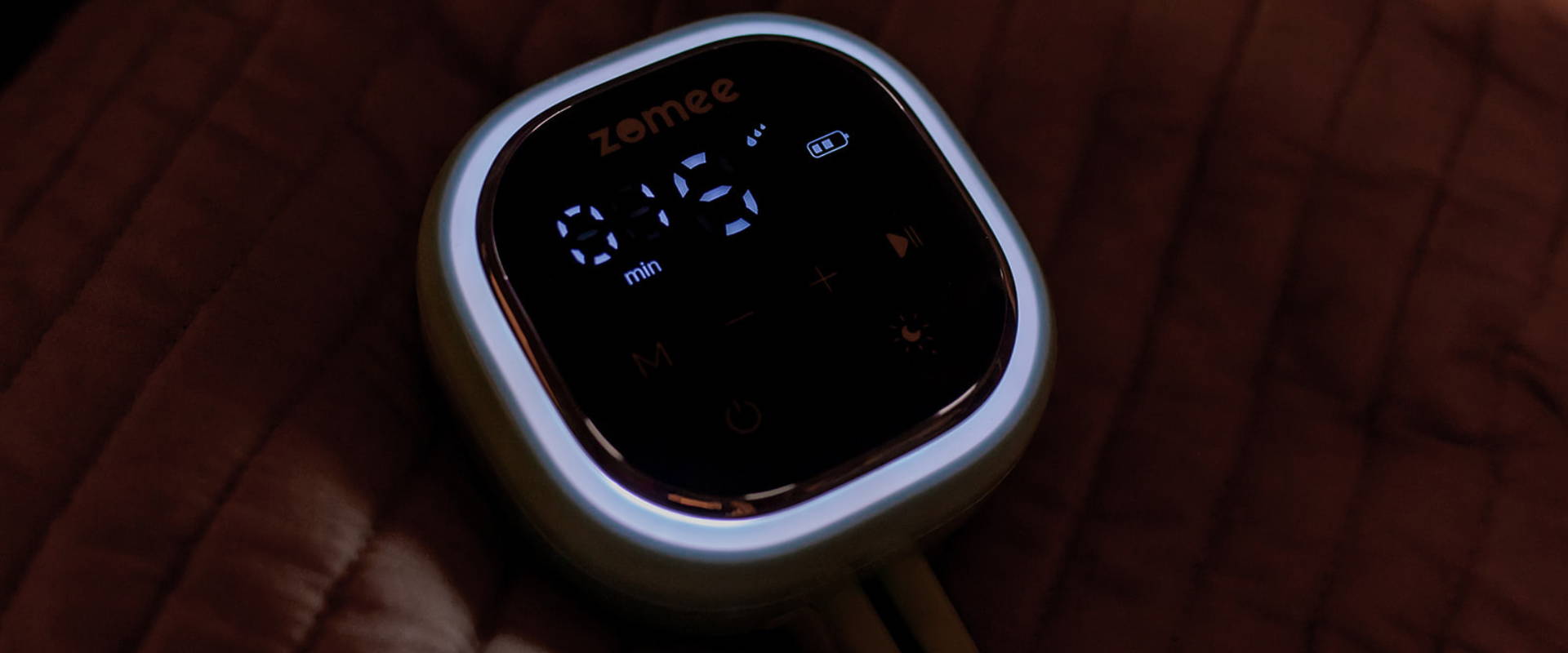
Alimentación nocturna: ¿por qué es tan importante?

"Los estudios muestran que los bebés consumen alrededor del 20% de sus tomas por la noche".

¡Empecemos con que es completamente normal que los bebés se alimenten durante la noche!

La estimulación nocturna, ya sea amamantando o extrayendo leche, es crucial para ayudar a mantener y establecer el suministro de leche.


¿Por qué es tan importante la alimentación nocturna?

-Se recomienda amamantar/extraerse leche cada 2-3 horas durante las primeras 6-12 semanas.

-Más eliminación de leche = más leche

-La prolactina es más alta durante la noche. Sí, por eso los bebés tienden a querer comer más por la noche… ¡porque entonces tenemos más!


¿Qué es la prolactina?

-La prolactina es la “hormona productora de leche” y está relacionada con el suministro/producción de leche.

-Cuanto más altos sean los niveles de prolactina = más leche se produce.

-Los niveles de prolactina ya son más altos durante la noche y amamantar o extraer leche en este momento ayuda a aumentar el nivel de prolactina, lo que esencialmente ayuda a aumentar los niveles y ayuda a mantener y establecer el suministro de leche.


Al final, en esas primeras semanas es necesaria la estimulación mamaria desde la noche hasta las primeras horas de la mañana.



Por Danielle Donovan RN, BSN, IBCLC

Compartir:

Related Articles

Is This Normal? A Lactation Counselor Answers Your Biggest First-Week Breastfeeding Questions

Is This Normal? A Lactation Counselor Answers Your Biggest First-Week Breastfeeding Questions

A Certified Lactation Counselor answers the questions new moms ask most during the first week of breastfeeding: how often to feed, whether pain is normal, how to tell your baby's getting enough, and when your milk actually comes in.

Woman pouring breast milk into a storage bag

National Breastfeeding Month 2026: Everything You Need to Know

Every August, the breastfeeding community pauses to do two things at once: celebrate our progress, and name what's still missing.  Whether you're currently breastfeeding/pumping, supporting someone who is, or working in maternal and infant health, National Breastfeeding Month is a...

Braithwaite family pregnancy ultrasound photoshoot

She Wished for a Baby Under a 300-Year-Old Tree.

After three years of infertility, needle phobia, and a doctor who left her in tears, Mahfam Braithwaite made a wish under a 300-year-old tree. Weeks later, she was pregnant. But a premature birth, postpartum depression, and deep grief proved that getting pregnant was only the beginning. Mahfam opens up about the pressure to be perfect and reminds us that struggling and gratitude can coexist.