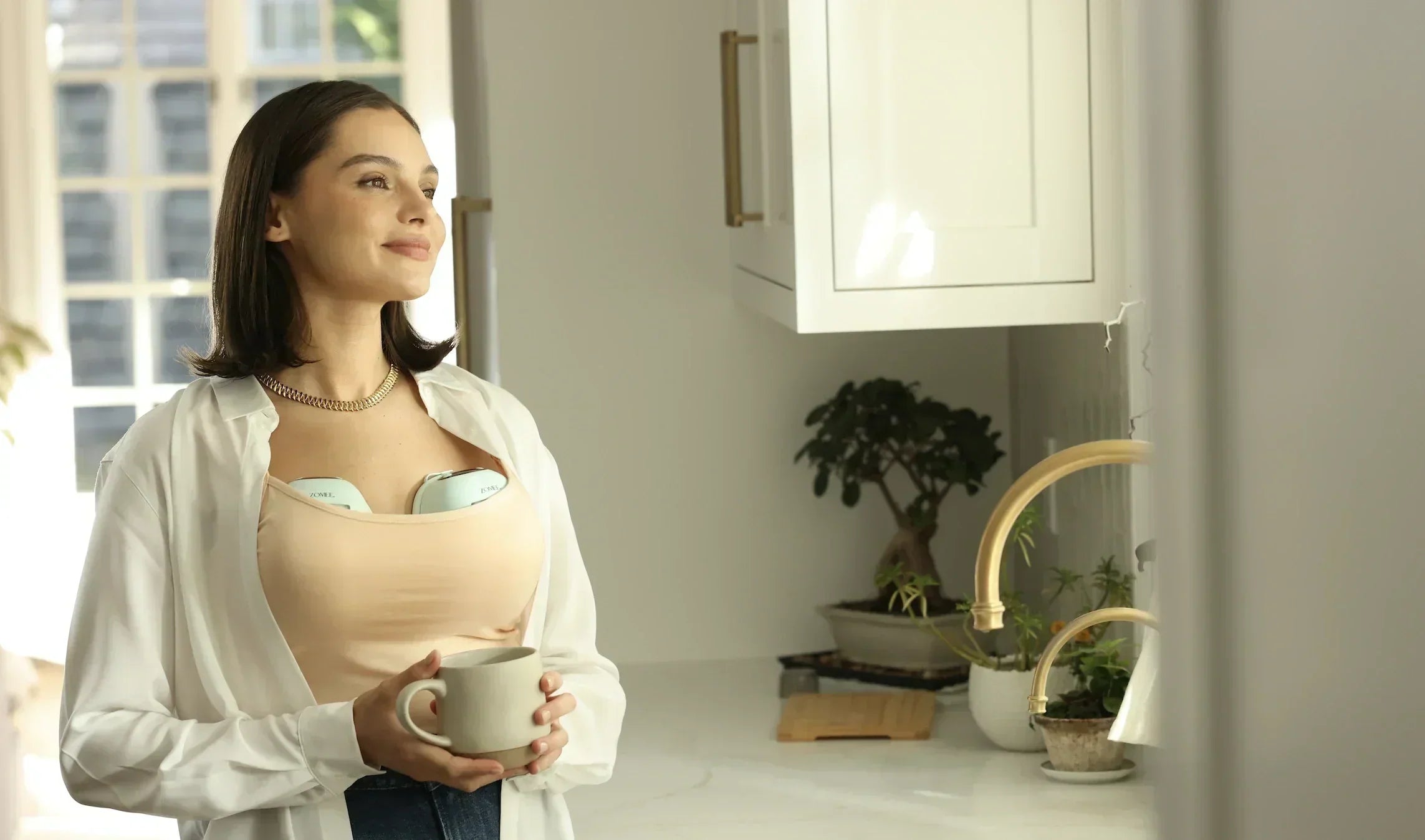
Breast Milk Storage Guidelines
Storing breast milk properly is crucial to ensure it remains safe and nutritious for your baby. Following the guidelines from the CDC and AAP, lactation consultant Anna Kogan MA, RN, CBS, shares important tips on how to handle and store breast milk effectively.
Storing Freshly Pumped Milk
After pumping, freshly expressed breast milk can be left out at room temperature (up to 77°F or 25°C) for up to 4 hours. If your baby does not finish the bottle, you can use the remaining milk within 2 hours, or alternatively, you can use it for a baby’s bath.
Refrigerating Breast Milk
When storing breast milk in the refrigerator, ensure it is placed in the back where the temperature is the most consistent. Breast milk can be stored in the refrigerator for up to 4 days. It’s best to use or freeze the milk within this timeframe to maintain its quality and nutritional value.
Freezing Breast Milk
For longer storage, freeze your breast milk as soon as possible after pumping. Freezing preserves the living cells and other components of the milk. Breast milk can be stored in a freezer (0°F or -18°C) for 6 to 12 months, although it is best used within 6 months for optimal quality. When thawing frozen milk, place it in warm water and use it within 2 hours after thawing.
Thawing and Reusing Breast Milk
When you thaw breast milk, you can use it within 24 hours if stored in the refrigerator. If there are still ice crystals present, you can refreeze the milk. However, once fully thawed, do not refreeze it. Always thaw milk in the refrigerator or in a bowl of warm water, never at room temperature.
Practical Tips for Milk Storage
- Labeling: Always label your breast milk containers with the date and time of expression to keep track of its freshness.
- Storage Containers: Use BPA-free plastic bottles, glass containers, or breast milk storage bags specifically designed for freezing.
- Avoid Overfilling: Leave some space at the top of the container to allow the milk to expand as it freezes.
- Thawing: Thaw milk in the refrigerator or in warm water, never using a microwave, as it can create hot spots and destroy beneficial nutrients.
Expert Advice from Anna Kogan
Anna Kogan MA, RN, CBS, provides valuable insights and tips on breast milk storage to ensure your baby receives the best nutrition possible. Follow her on Instagram for more expert advice on pregnancy, postpartum care, and breastfeeding.