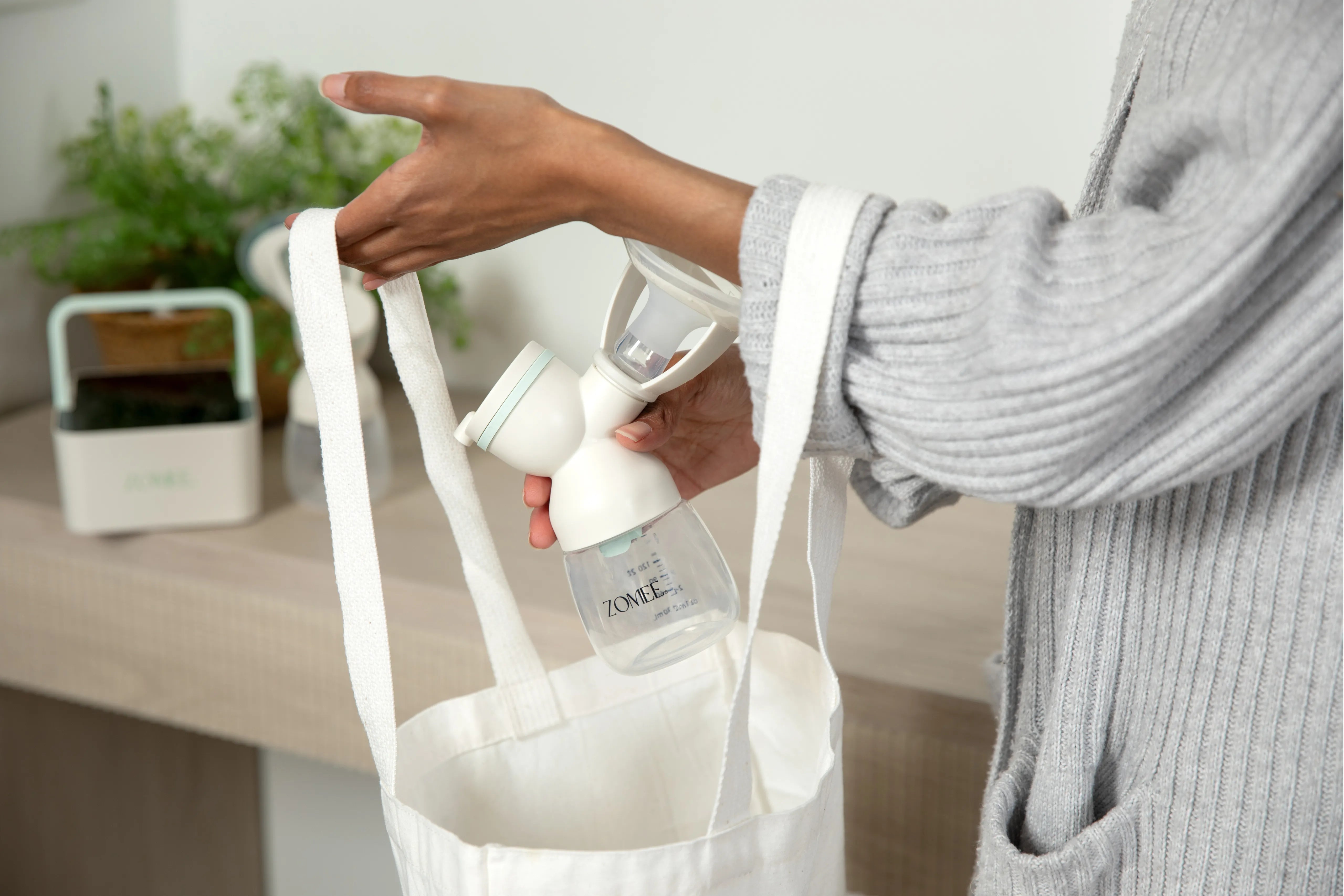

Sharing Breast Pumps: What You Need to Know
Sharing breast pumps might seem like a practical and economical solution for many mothers. However, this practice comes with significant hygiene and safety concerns that need to be addressed to ensure the health and well-being of both mother and child.
Risks of Using Someone Else's Breast Pump
Contamination and Infections
Breast pumps can harbor harmful bacteria and viruses, making it risky to use a pump that was previously used by someone else. Even with thorough cleaning, there is a potential for contamination, which can lead to infections for both the mother and baby.
Warranty and Performance Issues
Using a second-hand breast pump can also pose warranty issues. Most manufacturers do not cover the warranty for second-hand use, which means you won’t have support if the pump malfunctions. Additionally, the performance of the pump may be compromised due to wear and tear from previous use.
FDA Guidelines on Single-User Pumps
The FDA and other health authorities recommend that personal-use breast pumps be used by only one individual to prevent health risks. These guidelines are in place to ensure the highest standards of hygiene and safety are maintained.
Zomee’s Approach to Safe Pumping
Alternatives to Sharing a Pump
Instead of sharing a breast pump, consider acquiring a new pump through your insurance. Many insurance plans cover the cost of a new breast pump, ensuring you have a safe and efficient device tailored to your needs. Zomee works with various insurance providers to make this process straightforward and affordable.
Benefits of Owning a Personal Pump
Owning a personal breast pump from Zomee offers numerous benefits, including hospital-grade suction, innovative features like 2-phase expression, and the assurance of using a clean, uncontaminated device. Zomee’s pumps are designed for comfort, efficiency, and ease of use, making them an excellent choice for any breastfeeding mother.
Customer Support and Product Guarantees
Zomee provides exceptional customer support and product guarantees. By purchasing a new pump, you ensure access to warranties, customer service, and replacement parts that maintain the performance and hygiene of your breast pump.
The Importance of Using a Personal Breast Pump
Using a personal breast pump is crucial for maintaining hygiene and ensuring the health of both mother and baby. Sharing pumps can introduce risks that are easily avoided by owning your own device. Explore Zomee’s range of products to find a pump that meets your needs safely and effectively.
For more information on Zomee breast pumps and to explore our range, visit the Zomee website or contact our support team.