


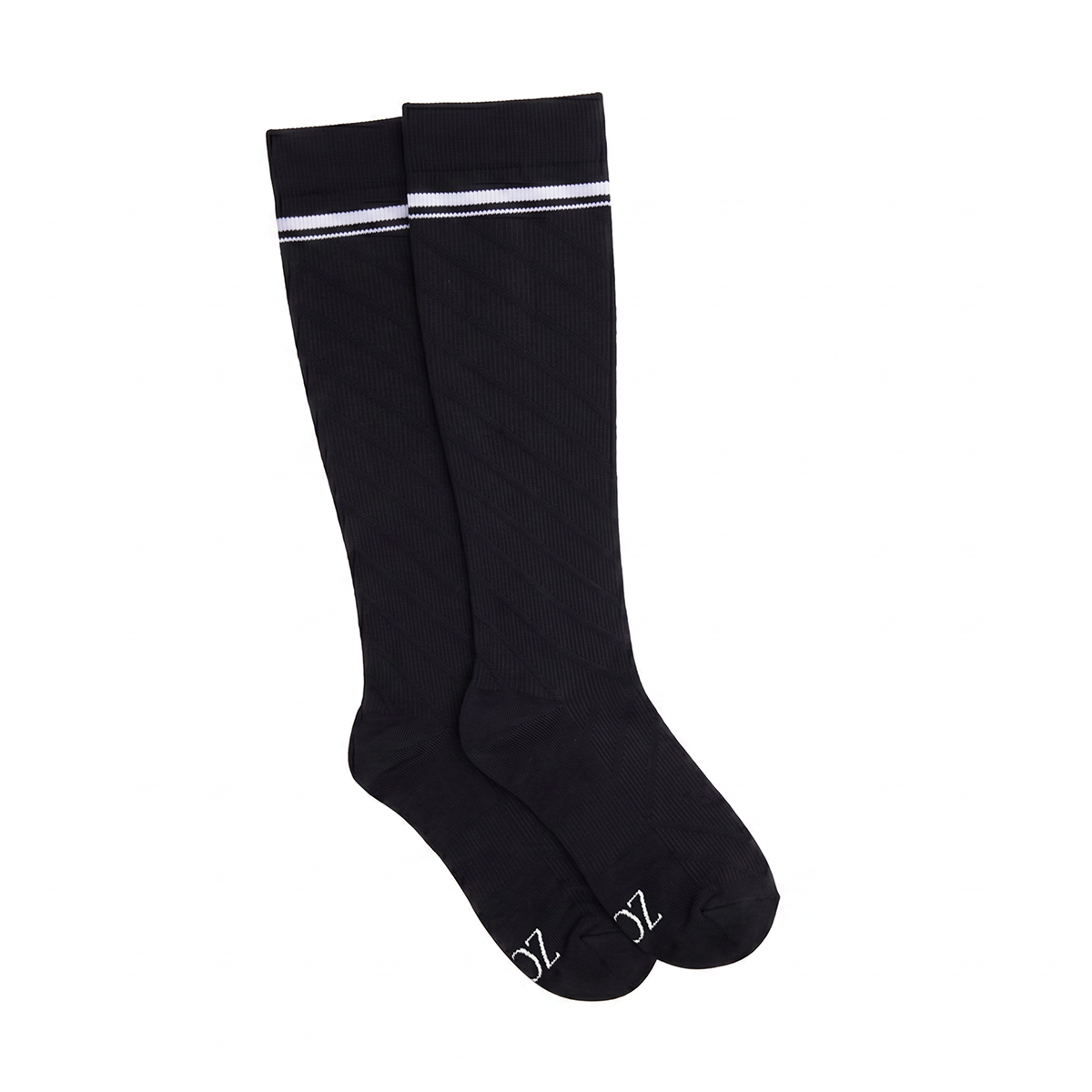


גרבי דחיסה להריון
נוחות אולטימטיבית עבור אמהות מצפות
מעוצבים מתוך מחשבה על נוחות, גרבי דחיסה להריון של Zomee מספקים תמיכה עדינה לרגליים שלך במהלך ההריון. גרביים אלו עשויות מבד איכותי ונושם ומציעות התאמה צמודה אך נוחה, מושלמת ללבוש יומיומי. בין אם בבית, בעבודה או בדרכים, הגרביים הללו הן תוספת חיונית לארון ההריון שלך.
תכונות של Zomee גרבי דחיסה להריון
- דחיסה קלה: מספק תמיכה נוחה מבלי להיות מגביל, מה שהופך אותם למושלמים ללבוש כל היום.
- בד עמיד: עשוי מחומרים נושמים ורכים לנוחות מקסימלית ואריכות ימים.
- אופנתי ודיסקרטי: ניתן ללבוש מתחת לכל בגד למראה אלגנטי ומסוגנן.
- עיצוב מונע החלקה: נשאר במקום מבלי להחליק, ומבטיח תמיכה עקבית.
למה לבחור ב-Zomee?
- מספר גדלים זמינים: מותאם להתאמה מושלמת לכל אמא לעתיד.
- קל לטפל: ניתן לכביסה במכונה לנוחות נוספת.
- עוצב לנוחות: אידיאלי להריון, מציע תמיכה אמינה מבלי להתפשר על נוחות.
הישאר נוח ונתמך במהלך מסע ההיריון שלך עם גרבי דחיסה להריון של Zomee!
Details
In the Box
Shipping
Returns
FAQs
What does 20–30 mmHg compression mean, and is that a safe level for pregnancy?
20–30 mmHg is considered firm or medical-grade compression. It may be appropriate for some people during pregnancy, but because needs vary, check with your OB-GYN or midwife before using therapeutic compression garments.
Can I wear these compression socks during labor and delivery, or just before/after?
Compression socks may be used before, during, or after labor and delivery depending on your individual circumstances. Always follow your healthcare provider’s recommendations, particularly if you have a medical condition that affects circulation or makes compression inappropriate.
Are these socks good for long flights or road trips during pregnancy?
They can be a convenient option for long periods of sitting, but they should not be worn continuously for 24 hours. Remove them before sleeping unless your healthcare provider recommends otherwise.
Do compression socks actually help with swelling and varicose veins during pregnancy?
Compression socks provide graduated support that can help promote circulation and relieve feelings of achy, tired legs. They may also help manage swelling and discomfort associated with pregnancy.
What size should I order if my feet or calves have swollen during pregnancy?
For the most accurate measurements, measure first thing in the morning, before daily swelling increases. Use a soft measuring tape to measure the narrowest part of your ankle and the widest part of your calf, then compare your measurements with the size chart.
Can I wear these postpartum too, or are they only meant for pregnancy?
Of course, they can also be worn postpartum for support and comfort during the period when swelling may occur after delivery. Ask your healthcare provider whether compression is appropriate for your individual recovery.
Still have questions?
Our team of real moms and experts is here to help you every step of the way. Just reach out—we’d love to hear from you.